Revolutionary biomaterials
for forward thinkers.


Celium™
Premium Cultivated Cellulose.
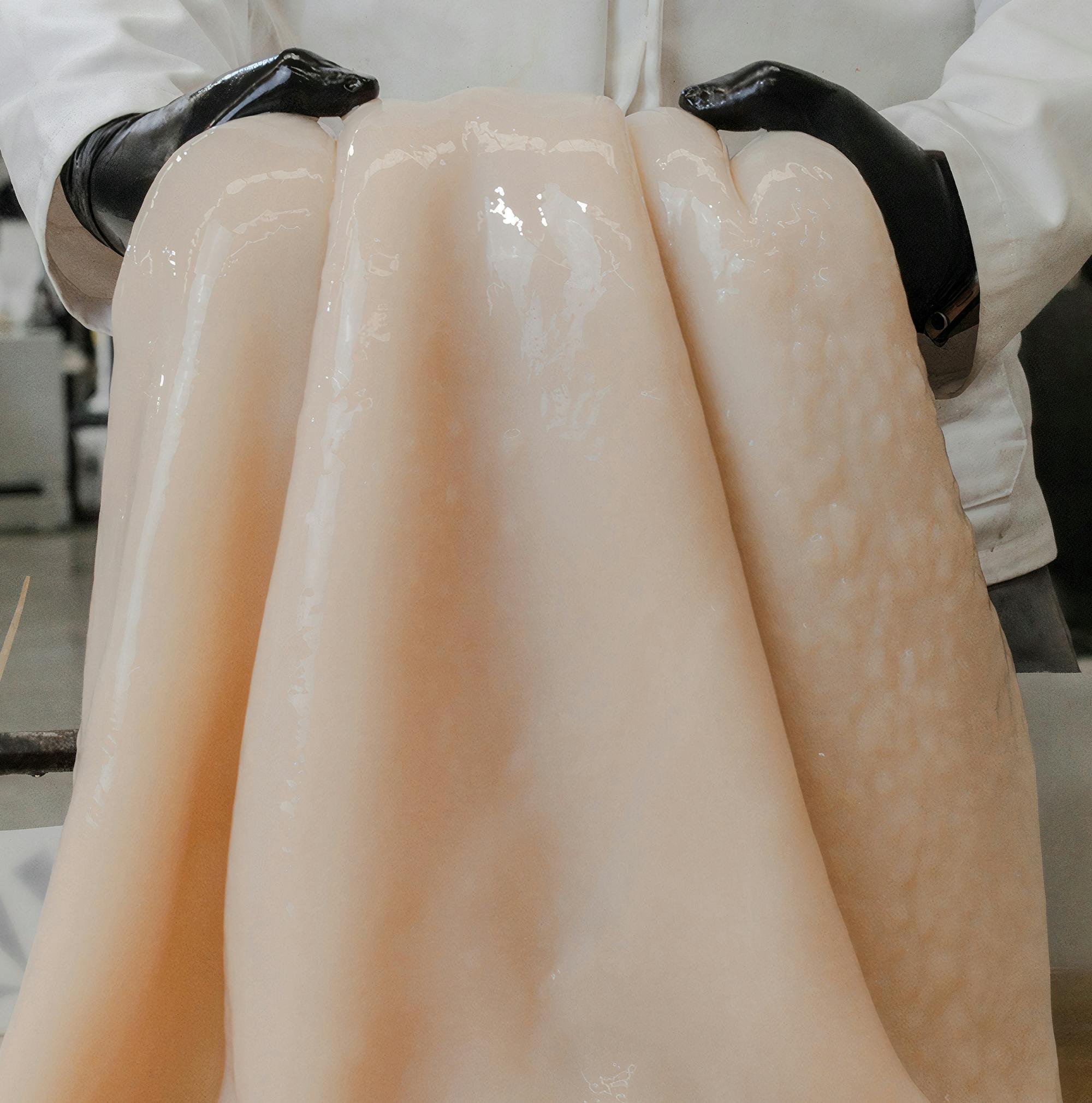
We grow Celium™ by feeding bacteria with agro-industrial fruit waste.

Rooted in biology
Guided by design
Refined into Celium™
Celium™ is a new generation of cultivated materials.
Grown by bacteria nourished with agro-industrial fruit waste, it forms during fermentation as a cultivated sheet of cellulose. This biological origin gives Celium™ a coherent structure that is resilient, soft, and inherently adaptable.
After cultivation, the material undergoes a stabilization process that defines its characteristics. During this stage (our equivalent to tanning), we refine thickness, handfeel, flexibility, and overall performance. Once stabilized, Celium™ can be finished through color, embossing, or protective finishing, extending its visual and functional possibilities while preserving its biological foundation.
Celium™ does not imitate existing materials; it stands as a category of its own. Each sheet carries subtle variations linked to its living origin, resulting in a refined, high-performance material capable of adapting across applications. Cultivated with precision and shaped through intention, Celium™ reflects a new approach to making: one that begins with life and evolves through design.


One material, multiple expressions
Performance Meets Possibility
One cultivated material can take on many roles. Celium™ begins as a cultivated sheet of bacterial cellulose, but its behavior is defined in the hands of designers and makers. It can drape, fold, and stitch like a soft surface, or be structured into precise, architectural forms. The same origin can become a garment panel, a bag shell, a lighting element, or a piece of furniture detailing.
Its versatility comes from how it responds to transformation. Celium™ can be cut cleanly, layered, perforated, embossed, or combined with other substrates to adjust body and support. Surface finishes introduce color, protection, and texture without erasing the material’s depth. This combination of responsiveness and stability makes it suitable for both tactile, close-to-skin pieces and more robust, spatial applications.
Across these uses, Celium™ maintains a coherent identity: a cultivated material with a refined hand, visual definition, and a clear link back to its biological origin. Rather than mimicking existing materials, it gives designers a single, consistent base they can push in multiple directions, exploring new expressions without changing the underlying source.

Where biology meets creativity, the future unfolds.


How to Work with Celium™
Celium™ is available in full sheets, sample kits, or through custom developments. Brands, studios, and independent designers can request materials directly from our team by filling out the inquiry form or contacting orders@polybion.bio.
Each request begins with a short conversation. We help identify the most suitable version of Celium™, discuss quantities, finishing, and timelines, and offer tailored guidance for your intended application. For small developments, the minimum order is two sheets of 17 sq.ft. each, ideal for prototyping. For customized color or material characteristics, the minimum order is 63 sheets. For pricing, please contact our team.
Celium™ is grown to order. Although our production is fully scaled, cultivation happens batch by batch, which means we operate through a delivery pipeline and often work with a waiting list. Once your order enters production, we coordinate cultivation, finishing, and shipment from our headquarters in Mexico to any destination worldwide.
Celium™ is cultivated with care, and so is every collaboration that begins with it.


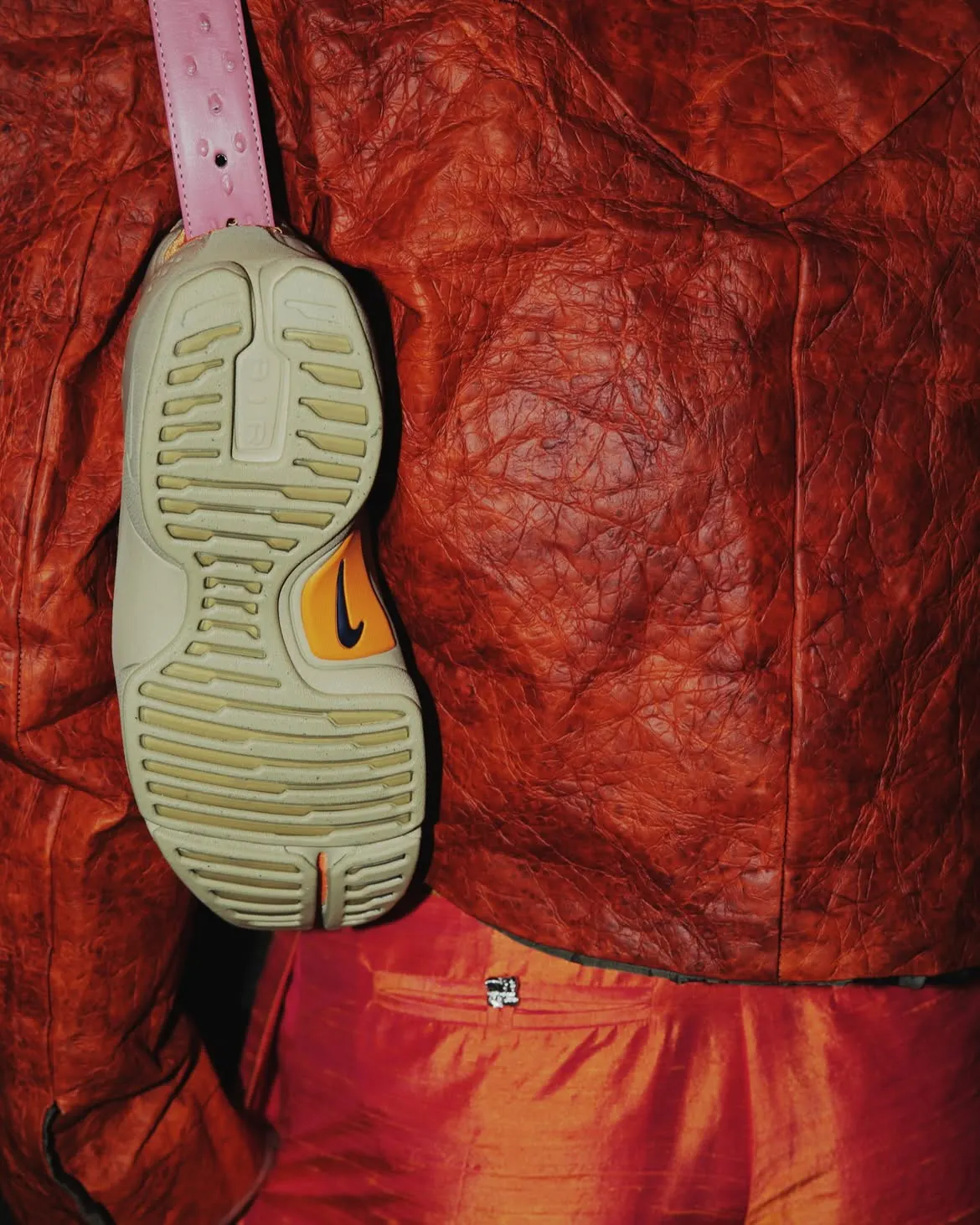
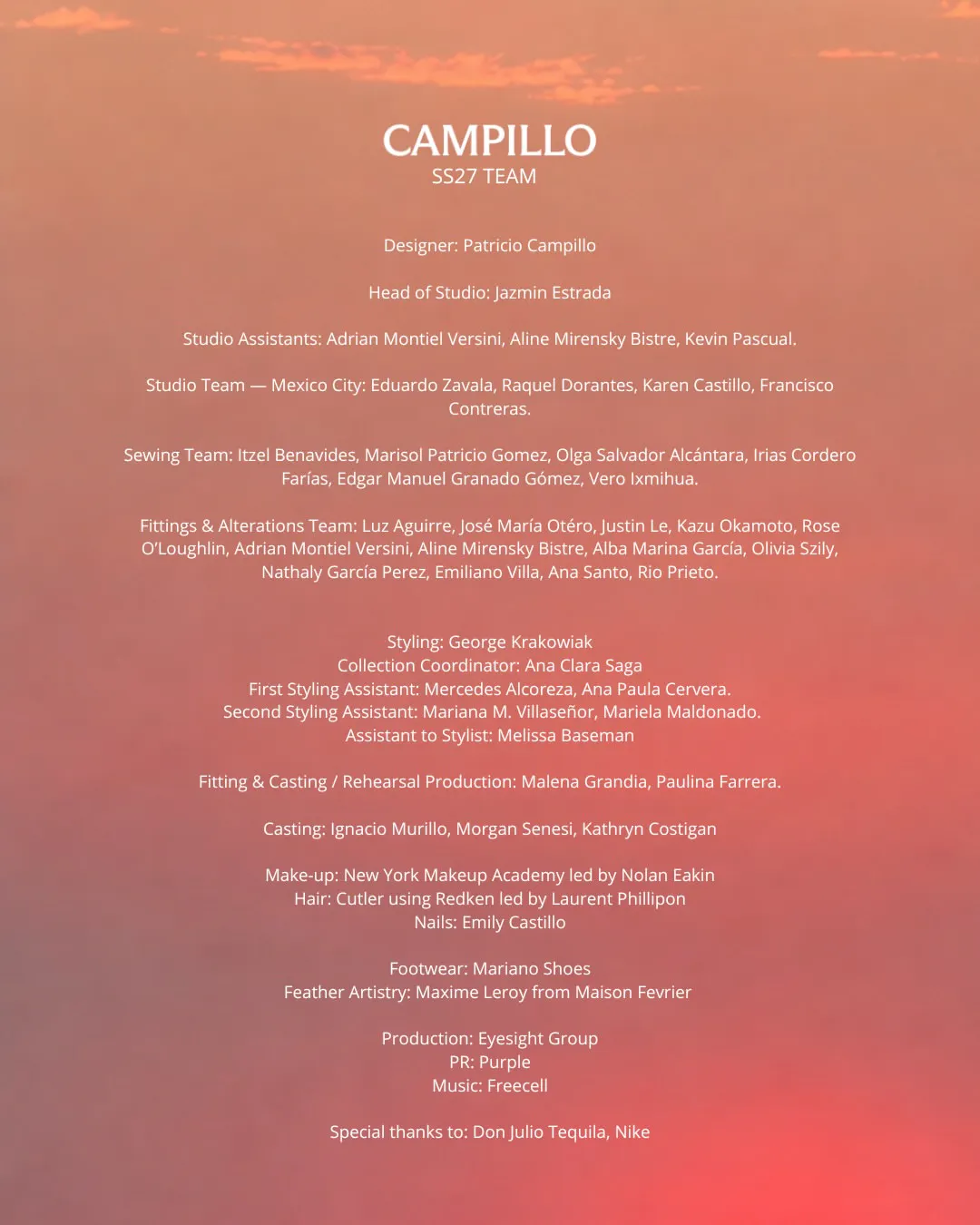
CAMPILLO SS27 transforms Celium™ from cultivated cellulose into three runway looks at New York Fashion Week.

- Published on
- September 15, 2026
Grown in Mexico. Designed in Mexico.
What does Mexican craftsmanship look like when biology becomes one of its tools?
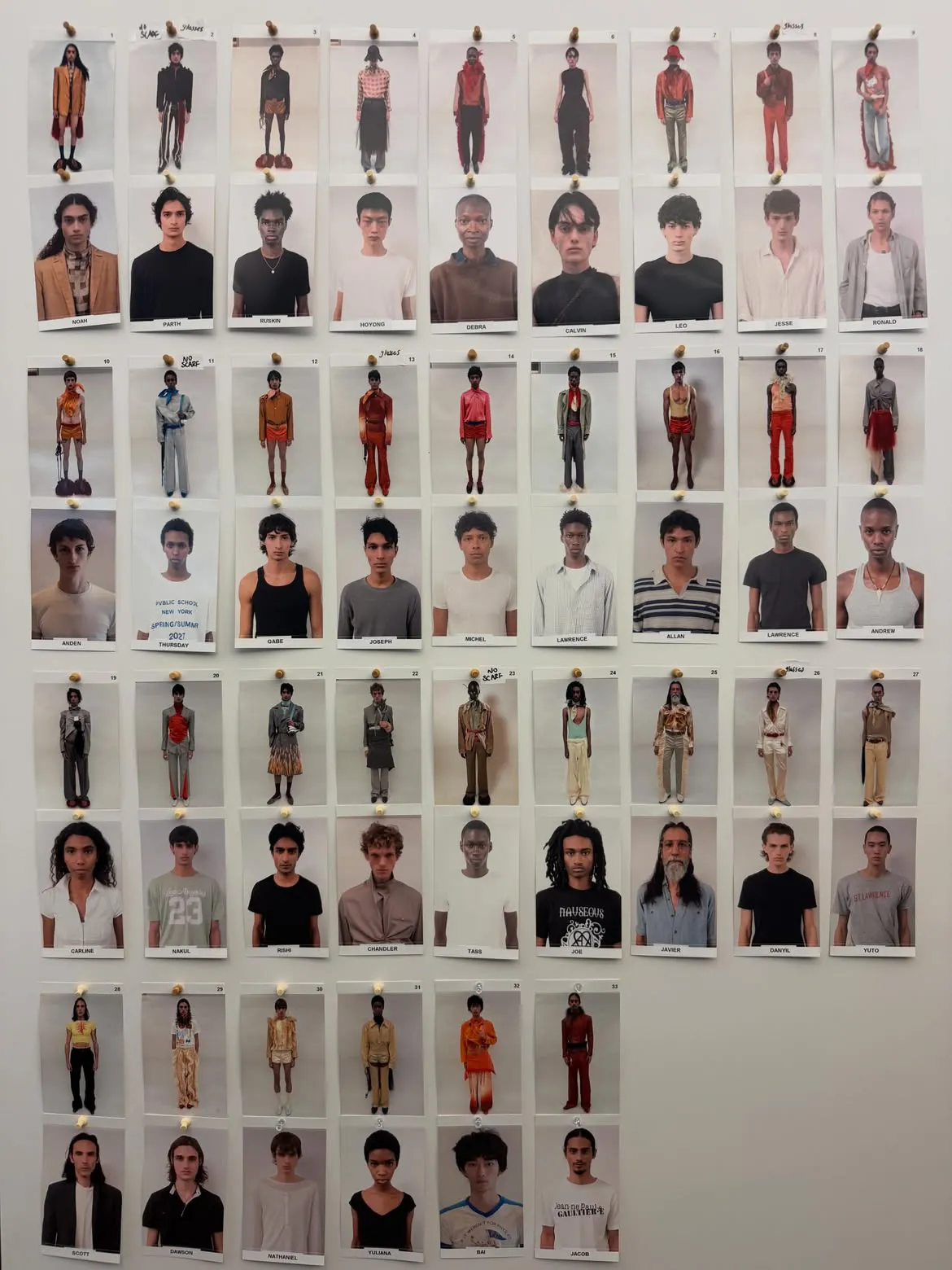
For Spring/Summer 2027, Mexican designer Patricio Campillo incorporated Celium™ Manto and Celium™ Espumante into three looks presented at New York Fashion Week.

The garments represent the final stage of a transformation that starts far from the runway.
It starts with fruit waste.
From fruit waste to Premium Cultivated Cellulose
Celium's production begins with nutrients recovered from agroindustrial fruit residues. Under carefully controlled conditions, bacteria consume those nutrients and begin producing cellulose.
As they grow, bacterial cells self-organize into a three-dimensional network, bioassembling the structure that will eventually become Celium™.
When cultivation is complete, the cellulose is harvested.
But at this point, it is not yet the material seen on the runway.
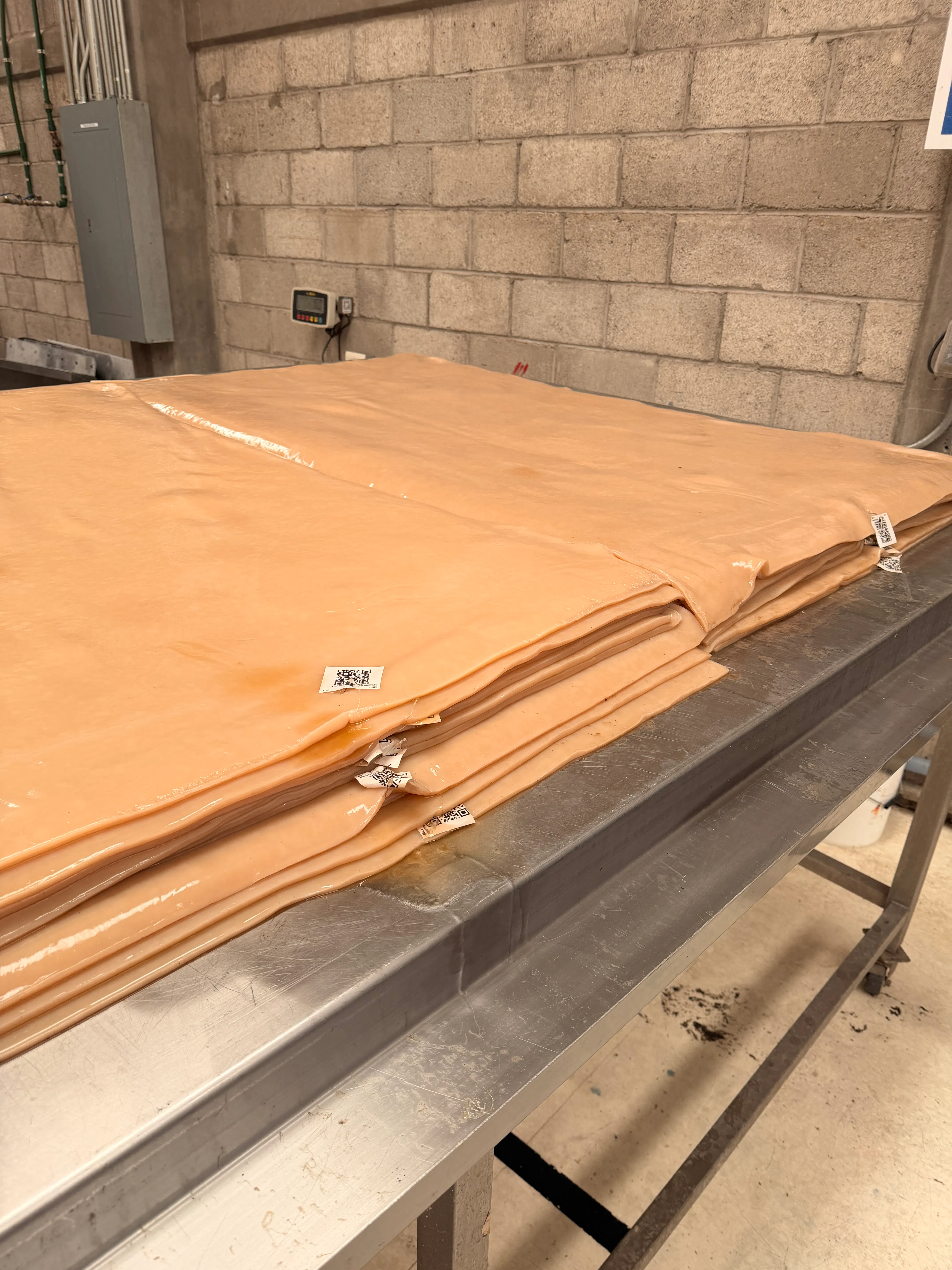
From cellulose to functional materials
Growing cellulose is only one part of the process.
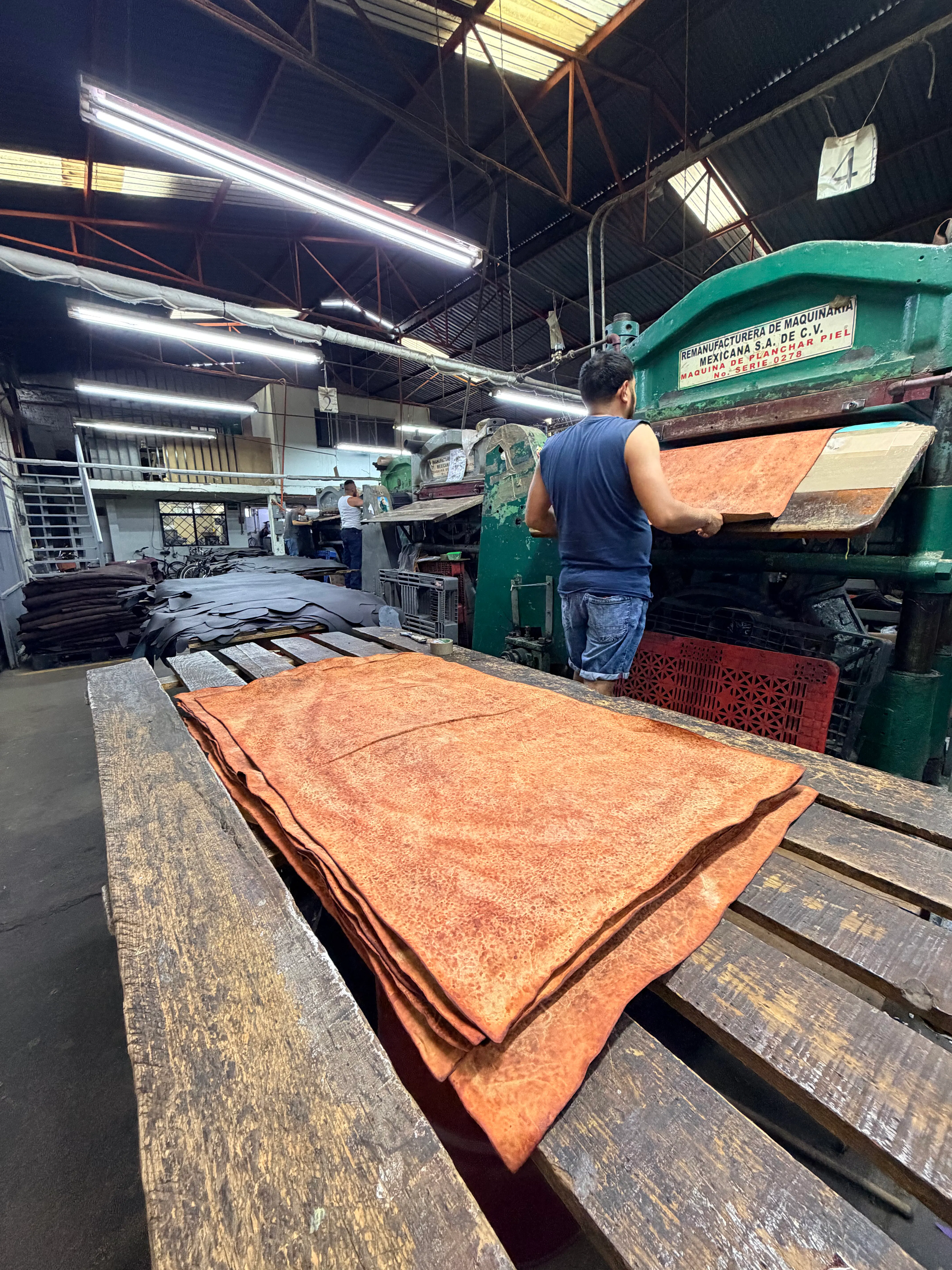
The harvested structure must then be stabilized, refined and finished until its properties are suitable for creative and industrial applications. Polybion™ manages this progression from cultivation through harvesting, stabilization and finishing before the material reaches product-making partners.
Through different cultivation and finishing approaches, Celium™ can take on very different expressions.
It can be translucent or opaque, softer or firmer, restrained or highly expressive. Biological differences in density, tone and texture remain visible in the finished material, giving individual sheets their own character.
For CAMPILLO SS27, the collection explores two of those expressions: Celium™ Manto and Celium™ Espumante.
Once those materials entered Campillo’s studio, a new transformation began.
From material to culture
Patricio Campillo’s work explores Mexican identity through contemporary fashion, drawing in particular from craftsmanship and Charro Culture, and reinterpreting their techniques, silhouettes and visual codes for a contemporary context.
Polybion™ approaches material from another direction.
Our tools are bacteria, fermentation, biofabrication, material science and manufacturing.
The processes may appear unrelated, but both depend on something fundamental: intimate knowledge of material.
Traditional craft develops through repetition. Through generations of learning what a material can do, how it behaves and how human intervention can transform it.
Working with biology requires a similar process of observation and accumulated knowledge.
Living systems introduce their own variations. They need to be understood, guided and refined rather than simply forced into complete uniformity.
That is where the idea of biocraft emerges.
Not as a replacement for traditional craftsmanship, but as another way of combining material intelligence with human creativity.
And in the context of CAMPILLO SS27, that connection becomes particularly relevant: a design practice informed by Charro Culture meeting a material created through contemporary Mexican biofabrication.


The material has more than one author
Celium™ also challenges the idea that a material has a single maker.
Its first author is biology.
Bacteria construct its microscopic cellulose network.
Then come the biotechnologists, engineers and production teams who create the conditions for growth.
Material specialists harvest, stabilize and refine it.
And finally, designers interpret it.
For CAMPILLO SS27, that final transformation belonged to Patricio Campillo.
Celium™ became silhouette.
It became construction.
It became movement.
And eventually, it became three garments walking a runway in New York.
The journey can be read almost as a chain of authorship:
Fruit waste becomes nutrients.
Nutrients become bacterial cellulose.
Bacterial cellulose becomes material.
Material becomes garment.
Garment becomes culture.
A material grown through Mexican biotechnology, transformed through a design language rooted in Mexican identity and Charro Culture, and presented internationally.
Biology grows it.
Science refines it.
Craft gives it form.

Mexico Materialized.
Mexican biology. Mexican craft. A new material culture.
Photo Credits:
@khanglys
@andryeze
@satinsews
@totem_magazine
@latinamericamode